

South Africa Workforce, Talent and HR Insights
In a business environment defined by uncertainty, rising compliance demands and ongoing pressure on margins, staying close to emerging Human Capital trends in South Africa has become a strategic necessity.
For employers — particularly SMEs and growth-focused businesses — decisions around hiring, retention, productivity and culture have a direct impact on performance. What was once considered an HR function is now firmly a leadership priority.
Each month, the team at Decusatio Human Capital Solutions tracks the conversations, challenges and opportunities shaping the Human Capital landscape. From talent shortages and workforce planning to labour law developments, B-BBEE skills development, hybrid work models and employee wellbeing, these trends provide valuable insight for business owners looking to stay competitive.
In this month’s update, we unpack some of the key themes South African employers should have on their radar.
What Are Our Digital Channels Telling Us?
As we do most months, we start with an assessment of the keywords attracting attention across our digital platforms.
A consistent theme remains strong interest in:
- “Benefits of workforce planning”
- “Temporary Employment Service providers”
Encouragingly, we also saw an increase in interest around “Human Capital Talent Development”, suggesting a growing focus on longer-term capability building rather than purely short-term hiring solutions.
Our three most-read thought leadership pieces this month were:
- Understanding Temporary Employment Services (TES) in South Africa and the Registration Process
- The Rise of ESG in South African Corporate Law
- Remote Work: How Labour Laws Are Evolving in South Africa
These patterns reinforce what we are seeing in client conversations — businesses are looking for practical guidance on compliance, workforce structure and future-proofing their teams.
PNet Job Report Data: Slower Hiring, Increased Recruiter Activity
The PNet team has once again released its monthly jobs report.
While overall hiring activity appears to be moderating slightly, recruiter activity is on the rise — suggesting that companies are becoming more deliberate and targeted in how they approach hiring.
The following are the results of their report:
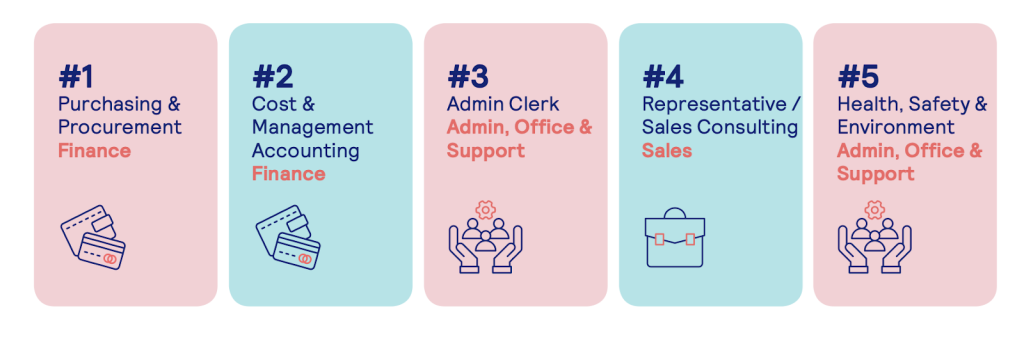
This month’s report places particular emphasis on the finance sector, highlighting ongoing demand for specialist skills despite broader economic caution.
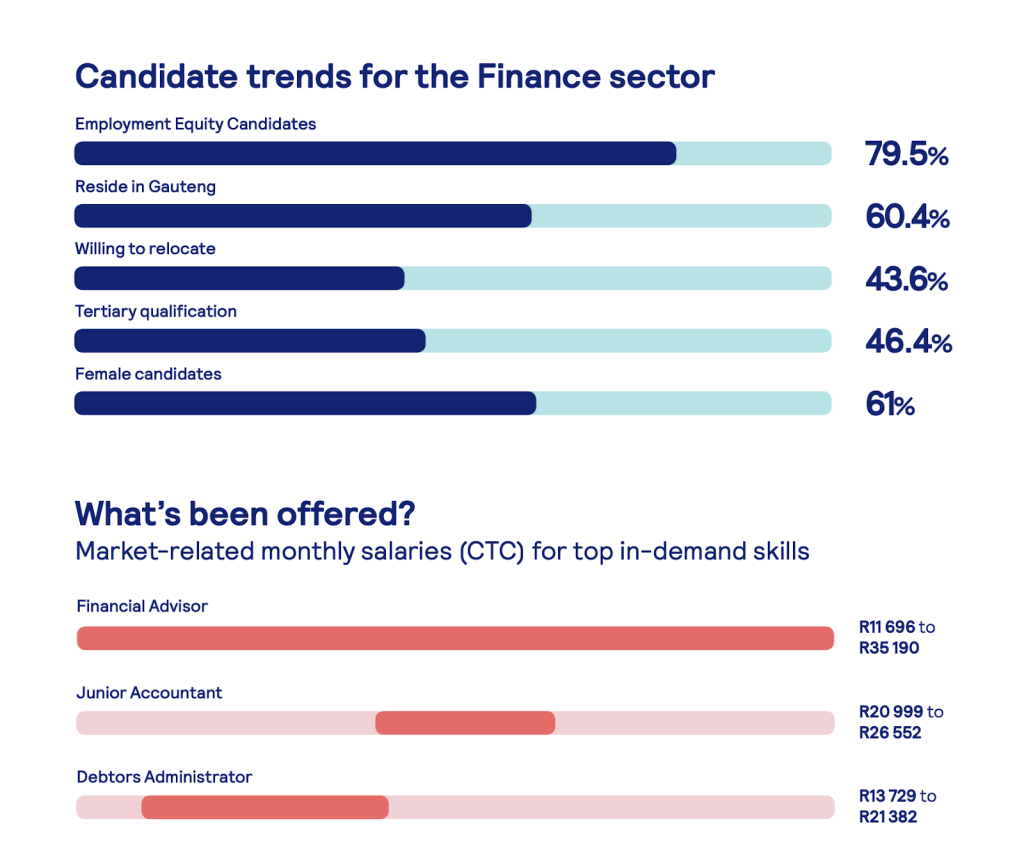
For employers, this creates an interesting dynamic: while hiring volumes may not be accelerating rapidly, competition for high-quality talent remains strong.
This is where structured recruitment and workforce planning can play a meaningful role in ensuring that hiring decisions are aligned with long-term business needs rather than short-term pressures.
Temporary Employment Services and YES Programme Demand
One area where we continue to see sustained interest is in Temporary Employment Services (TES) and outsourced Youth Employment Service (YES) programmes.
The appeal is clear.
The YES initiative remains one of the most impactful B-BBEE incentives available, offering meaningful scorecard recognition while contributing to youth employment.
However, many participating businesses face a common challenge: limited time and internal resources to ensure that youth participants receive a meaningful, structured and high-quality work experience.
This includes:
- Managing programme quality
- Minimising participant drop-off
- Ensuring employability and potential absorption after the 12-month period
This is particularly relevant for businesses managing smaller cohorts, where scale efficiencies are limited.
In practice, we are seeing more organisations exploring outsourced solutions to improve programme outcomes while maintaining compliance — an approach that can help balance impact with operational efficiency.
We have extensive track record in delivering high-quality YES programmes and the team is on standby to assist you.
The Hospitality Sector Talent Challenge
A Human Capital trend we have been following closely is the ongoing talent challenge within South Africa’s hospitality sector.
The industry has rebounded strongly following the COVID-19 lockdowns and continues to offer relatively low barriers to entry, making it an important avenue for youth employment.
At the same time, it remains heavily supported by initiatives such as YES programmes and learnerships.
However, despite this, there is growing commentary suggesting that the sector is struggling to develop and retain talent.
Writing for Bizcommunity, Marc Wachsberger, CEO of The Capital Hotel Group, notes:
“Hospitality is one of the most human-facing industries in existence. It asks people to show up consistently, with warmth, under pressure, for guests who expect excellence every time, regardless of what is happening behind the scenes. That is not a skillset you can teach in a classroom alone, and it is not captured on a CV.”
This highlights a broader point: recruitment alone is not enough. Skills development, workplace culture and ongoing support structures play an equally important role in building sustainable talent pipelines.
Corporate Wellness and Flu Season Preparedness
Another area gaining attention is corporate wellness — particularly as South Africa enters an earlier and more compressed flu season.
According to Dr Jessica Hamuy Blanco, Product and Clinical Risk Executive at Dis-Chem:
“This isn’t a typical flu season where you have time to wait and see… the window to build protection before exposure is much smaller.”
For employers, this serves as a reminder that workforce productivity is closely linked to proactive health management.
Investing in preventative measures such as vaccination programmes can help reduce absenteeism and maintain operational continuity during peak periods.
For many organisations, this is becoming an increasingly important component of broader Human Capital strategy.
What This Means for Employers in 2026
Across all of these trends, a consistent theme emerges: businesses are moving toward more structured, proactive approaches to managing their Human Capital.
Whether it is workforce planning, outsourced employment solutions, skills development or employee wellbeing, the focus is shifting from reactive decision-making to long-term capability building.
For growing businesses, the ability to integrate these elements into a cohesive strategy can be a significant competitive advantage.
Looking to Strengthen Your Human Capital Strategy?
As Human Capital trends in South Africa continue to evolve, many organisations are reassessing how they approach hiring, compliance and workforce development.
At Decusatio Human Capital Solutions, we support businesses with recruitment, outsourced HR, payroll administration, B-BBEE advisory, skills development and workforce strategy — helping organisations align their people strategy with business growth.
Whether you are navigating talent shortages, scaling your workforce or looking to improve programme outcomes such as YES, our team is ready to assist.
If you would like to explore how we can support your Human Capital objectives in 2026, reach out to our team.