

In a business environment where change is the only constant, staying ahead of Human Capital trends is no longer a luxury reserved for large corporates; it’s a survival tool for growth-focused SMEs in South Africa.
At Decusatio Human Capital Solutions, our monthly Human Capital Trends Blog distils what we are seeing on the ground: hiring patterns, skills shortages, compliance pressures, workplace shifts, and people strategies shaping the operating landscape for small and mid-sized businesses.
If you are an owner-manager balancing growth with operational demands, or an HR professional tasked with doing more with less, these insights are designed with you in mind.
Each month, we unpack signals emerging from our ecosystem, from recruitment conversations and workforce planning discussions to the practical compliance and people challenges businesses are navigating right now. The goal is simple: help you make smarter, proactive people decisions before trends become operational risks.
In today’s economy, the organisations that win will not just have strong products or services; they will have agile, future-ready teams supported by informed Human Capital strategies.
Here are the key Human Capital trends shaping February 2026.
What Are Our Digital Channels Revealing About Human Capital Trends in South Africa?
As a business committed to data-driven decision-making, we actively analyse insights from our digital platforms, including our website performance and Google search behaviour.
This provides real-time intelligence into what matters most to South African employers and HR leaders.
Most Visited Resources in February 2026
Our two highest-performing pages this month were:
- Understanding Temporary Employment Services (TES) in South Africa and the Registration Process
- Are You Ready for a Department of Labour Inspection?
The engagement with these pages signals heightened concern around compliance, workforce structuring, and labour law readiness.
Stand-Out Search Phrases
Search trends during February included:
- “TES meaning”
- “TES registration”
- “Outsource HR for small businesses”
- “Benefits of workforce planning”
These search patterns indicate that SMEs are actively seeking structured HR support, compliance clarity, and strategic workforce planning guidance, not just reactive solutions.
The takeaway? Businesses are prioritising compliance, flexibility, and scalable HR support in 2026.
Cannabis Usage in the Workplace – Policy vs Constitution
One increasingly complex Human Capital trend involves cannabis usage in the workplace.
Employers are grappling with the legal and operational implications of cannabis use following Constitutional Court developments. Blanket zero-tolerance policies may conflict with constitutional rights, creating tension between maintaining safe workplaces and respecting employee privacy.
This evolving dynamic requires carefully drafted workplace policies aligned with:
- Occupational health and safety standards
- Constitutional rights
- Fair disciplinary processes
- Risk mitigation practices
We unpack this further in our recent blog: “Are Your Cannabis Policies Up-to-Date?”
For SMEs without in-house legal teams, this trend highlights the importance of expert HR advisory support to mitigate compliance risk while protecting organisational productivity.
January Recruitment Trends: Insights from PNet
Recruitment platform PNet released its January Jobs Report, revealing encouraging hiring signals.
The below were the trending jobs on the platform:
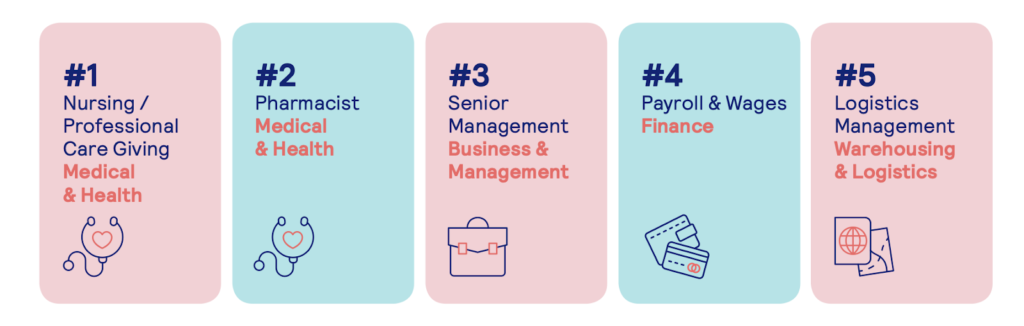
Job advertising during December remained higher than previous years, with year-on-year hiring activity increasing by +6%.
This suggests renewed confidence in certain sectors despite broader economic caution.
Trending Job Categories
The platform highlighted increased demand across several industries, reinforcing what we are seeing within our own recruitment engagements.
In addition, PNet released its 2026 Salary Guide, offering benchmarking insights across:
- Business and Management
- Finance
- Administration and Office Support
- Building and Construction
- Manufacturing and Assembly
- Architecture and Engineering
- Sales
- Marketing
- Design and Publishing
- Warehousing and Logistics
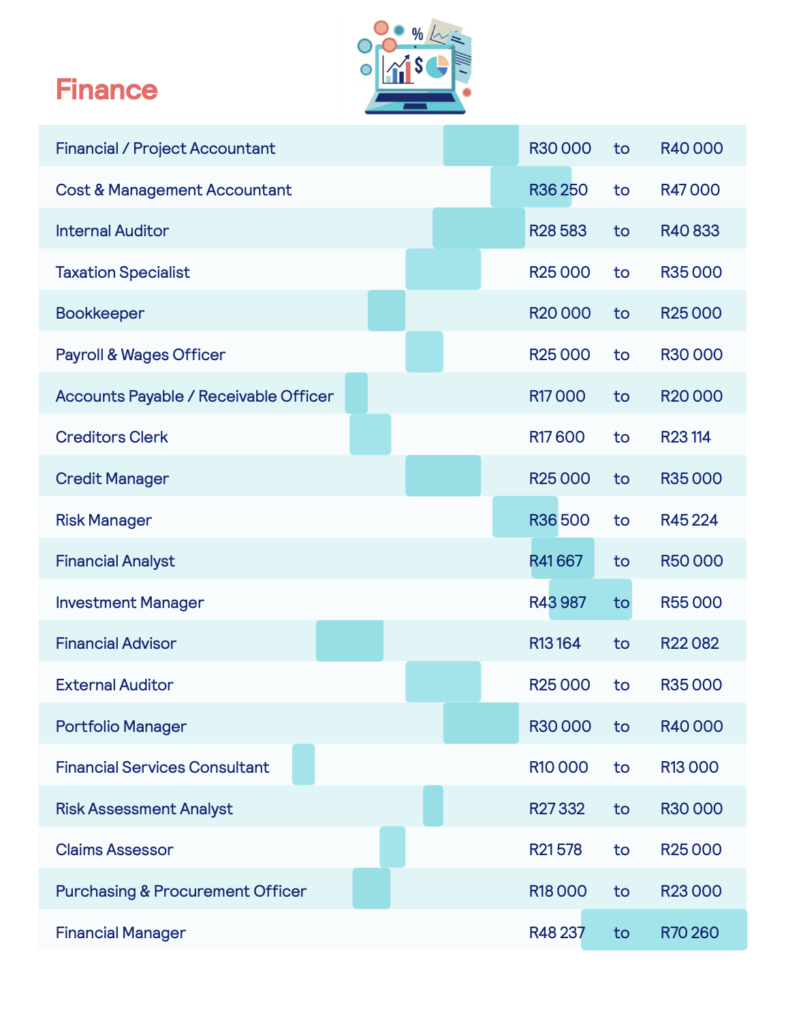
For organisations operating in the financial services sector, an area of particular interest to us, salary benchmarking data shows continued competition for experienced finance professionals and compliance specialists.
Access to accurate salary data enables SMEs to remain competitive without overextending budgets, a critical balance in 2026.
Here’s what the benchmarking for these roles showed
State of the Nation Address: Skills System Reform
In the recent State of the Nation Address,
A key decision announced was increasing the “mandatory grant”. This is the portion of the skills levy employers get back when they submit information about their skills needs to the relevant Seta. The amount was reduced to 20% in 2013, with the intention of allocating more funds to formal education and training programmes. Restoring it to 40% is the right decision for several reasons.
This policy shift was highlighted in commentary by Stephanie Allais, Research Chair of Skills Development at University of the Witwatersrand.
Restoring the mandatory grant to 40% strengthens the incentive for employers to:
- Submit accurate Workplace Skills Plans (WSPs)
- Align training initiatives with business needs
- Invest in workforce capability development
The opportunity now lies in effective execution and administrative readiness.
You can read the full column here.
2026/27 Workplace Skills Plan (WSP) and Annual Training Report (ATR) Deadline
Employers seeking returns on their Skills Development Levy contributions should diarise 30 April 2026 — the submission deadline for:
- Workplace Skills Plans (WSPs)
- Annual Training Reports (ATRs)
Missing this deadline could result in forfeited grant recoveries.
A helpful explainer on this topic was recently shared by Anton Visser of SA Business School via EB Net, reinforcing the administrative importance of compliance readiness.
For SMEs without dedicated HR compliance teams, this deadline often arrives faster than expected.
National Minimum Wage Increase – Effective 1 March 2026
The new national minimum wage has officially been gazetted.
Effective 1 March 2026, the minimum wage increases to:
R30.23 per hour (up 5% from R28.79)
This adjustment is particularly relevant for organisations running YES programmes or entry-level employment initiatives aligned with statutory wage thresholds.
Employers should ensure:
- Payroll systems are updated
- Employment contracts reflect compliant rates
- Budget forecasts account for cost adjustments
Proactive payroll alignment prevents costly compliance risks and reputational exposure.
Do You Need an HR Partner in 2026?
Running a business in South Africa requires more than commercial strategy — it demands regulatory awareness, structured workforce planning, and agile Human Capital management.
Compliance costs, payroll complexities, skills reporting, and recruitment challenges can quickly distract leadership from core growth priorities.
At Decusatio Human Capital Solutions, we provide structured, scalable HR support including:
- Payroll management
- Policy development
- HR advisory and guides
- Recruitment and talent acquisition
- B-BBEE advisory
- Skills Development compliance
- Employment Equity reporting
Whether you need ongoing HR partnership or project-based compliance support, our team is ready to assist.
If you would like to schedule a consultation, please reach out to us.